There Is No Salt In Whisky
No salt in whisky, or is there?
I am not sure if any of you will remember - or whether I dreamed this up - but I distinctly remember a whisky group forming in the early 2000’s with a war cry that there is no salt in whisky, their argument was that if you analyse whisky you do not find the chemical formula for salt NaCL.
I think they even had matching T-shirts with the tagline “Chan eil salann anns an uisge-beatha”. I googled the Gaelic translation but it was something like that - it could even have be Latin - my memory of the early 2000's is hazy!
Anyway, I remember arguing with this group that yes the chemical compound for salt is not in whisky - but then I would argue that I'm pretty sure the chemical formula for wet sheep or warm cow (two of my favourite tasting notes) are not present in whisky either and I still smell it!
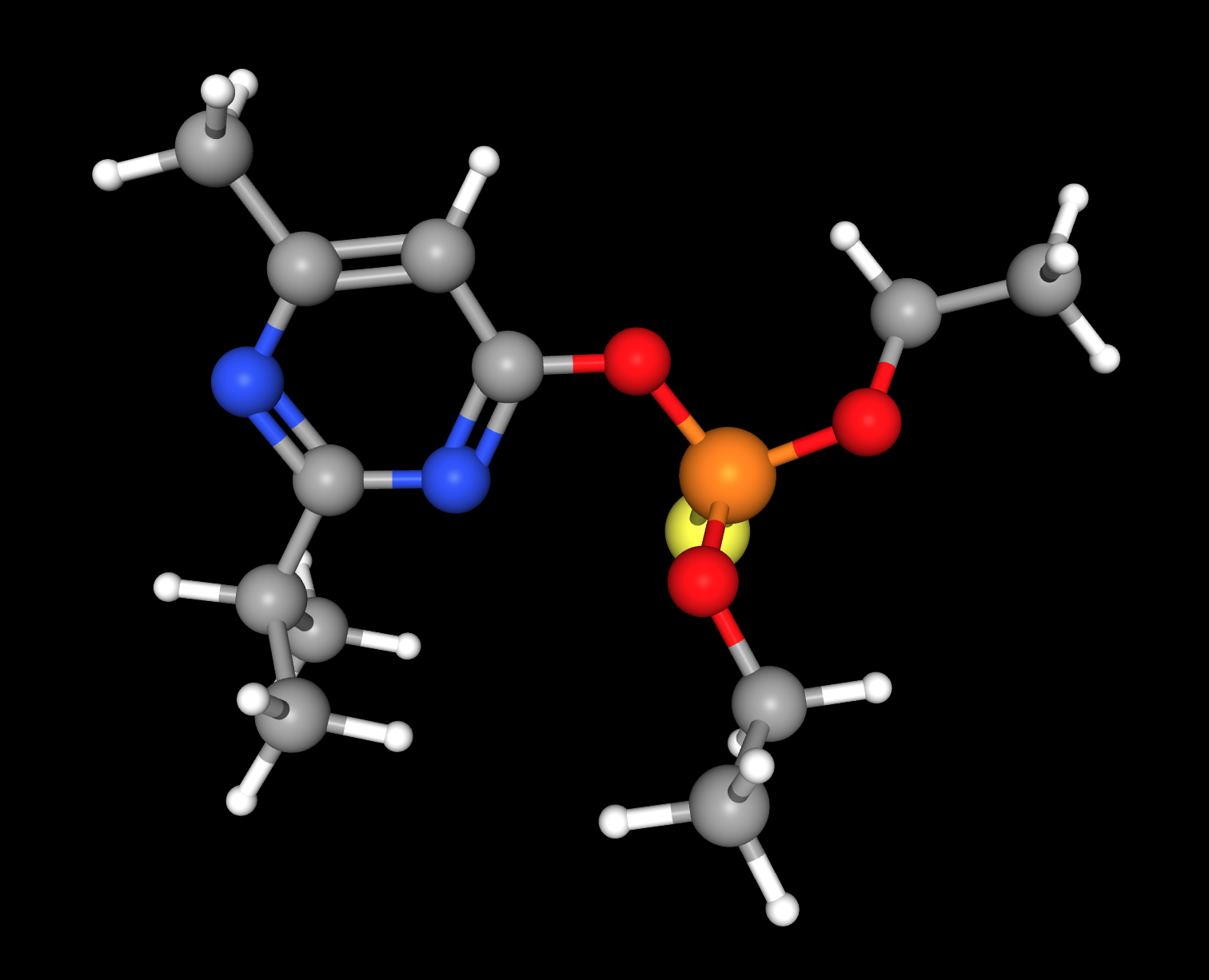
I wonder what the chemical formula for wet sheep actually is?
The science bit
I was therefore delighted to see The Sensory Advantage’s post about salt in whisky and why even though it's not there you can still taste it. Anyone who is interested in flavour really must follow his posts as they really are blowing my mind when it comes to how we perceive flavour.
One of the best bits I took away from this article though is from the research done by Adam, T., Duthie, E., & Feldmann, J. (2002) who measured different elements in different brands of whisky including Sodium. The results were quite surprising with the highest levels of Sodium being found in Glenfarclas 10yo with double the concentration of that found in Laphroaig, Bowmore and Bunnahabhain! Unfortunately of the 35 whiskies they sampled they did not do Old Pulteney as that is a dram I have always felt was quite salty - in a good way!
Whisky |
Age |
Sodium Milligrams per litre |
Distance to the sea (Km) |
Glenfarclas |
10 |
22.6 |
45 |
Auchentoshan |
10 |
13.8 |
12 |
Laphroaig |
10 |
11.7 |
0 |
Bunnahabhain |
12 |
9.9 |
0 |
Bowmore |
12 |
8.3 |
0 |
Glenfiddich |
8 |
3.2 |
40 |
So the old beliefs that whisky has a coastal taste due to its location is blown out the (salt) water with these findings - as far as I am aware all Glenfarclas is matured on site and of all the samples tried Glenfarclas was actually the furthest from the sea so location obviously has no impact - even more so when you think about where a lot of coastal tasting distilleries actually mature their whiskies.
One thing that surprised me with some further reading is that us as Humans, we can't detect salt in water at less than 200mg per litre so there is no way we are detecting 22mg in Glenfarclas never mind 8.3mg in Bowmore!
For the real science!

Kami at the The Sensory Advantage explains why we taste salt in whisky and basically it is because our brain in lazy and fills in the blanks. So we smell bacon or other salt associated flavours and we subconsciously think it taste salty. It's actually called cross modal interaction where one sense changes the perception of another sense - in this case smell affecting the perception of taste.
Kami obviously explains it much better than I can, so make sure and visit his website and give him a follow.
Out of interest of the 114 releases we have had so far - 9 have had what I would describe as salty descriptors in the tasting notes.
- Highland 2010 10yo 58.4% - Briny
- Caol Ila 2010 10yo 58.2% - Salted Liqourice
- Campbeltown Blended Malt 2014 7yo 57.1% - Pebble Beaches
- Port Dundas 2000 20yo 57.1% - Salted Caramel
- Orkney 2012 9yo 57.1% - Rock Salt
- Caol Ila 2013 9yo 59.6% - Olive Brine
- Highland 2011 12yo 59.1% - Salted Butter
- Campbeltown Blended Malt 2017 7yo 57.1% - Pebble Beaches
- Campbeltown Blended Malt 2016 9yo 57.1% - Pebble Beaches
So all pretty much coastal whiskies apart from the Port Dundas, and I certainly find pebble beaches in Campbeltown whiskies a lot!
Shows how much I know!
Cheers
Mark